










As I write my final piece for The Bucknellian, it feels only appropriate to reflect on what I have been reporting on for the past two years: the political climate of the United States and the threats to democracy we currently face.
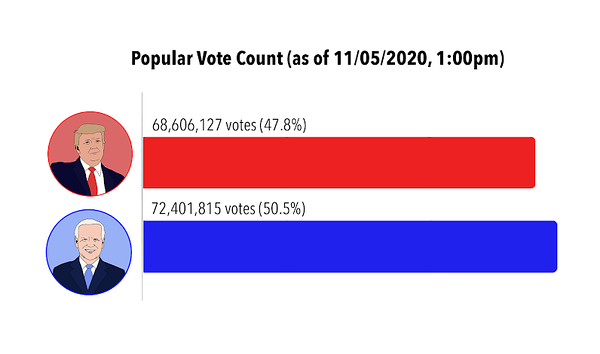
When I started writing, the United States was unhappy with President Joe Biden’s handling of the cost of living, border security and the country’s standing on an international stage. People felt unheard and unrepresented– change in leadership was not just a desire, but a perceived necessity for many. While not the only explanation for Donald Trump’s presidential victory, these were highly publicized explanations for how Trump achieved an edge over former Vice President Kamala Harris. Now, even after our leadership has changed, these problems have only exacerbated.
This begs the following questions: where are we going? Will circumstances ever improve? Will we ever escape this political whirlpool? I have good news and bad news.
The good news is this: we will escape this political whirlpool. We are not stuck in a state of executive abuse and aggressive political polarization that is being perpetually reinforced by elite rhetoric and pointed news media.
The bad news? It won’t be easy, and it will take a lot of us.
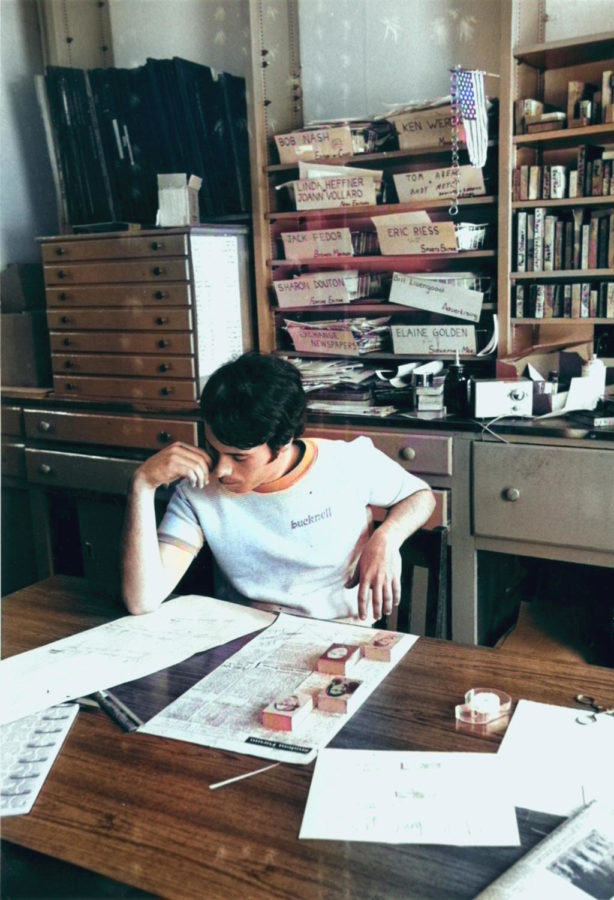
Young people need to be at the forefront of breaking out of this cycle, and I think the endurance of student-led publications is going to be absolutely essential.
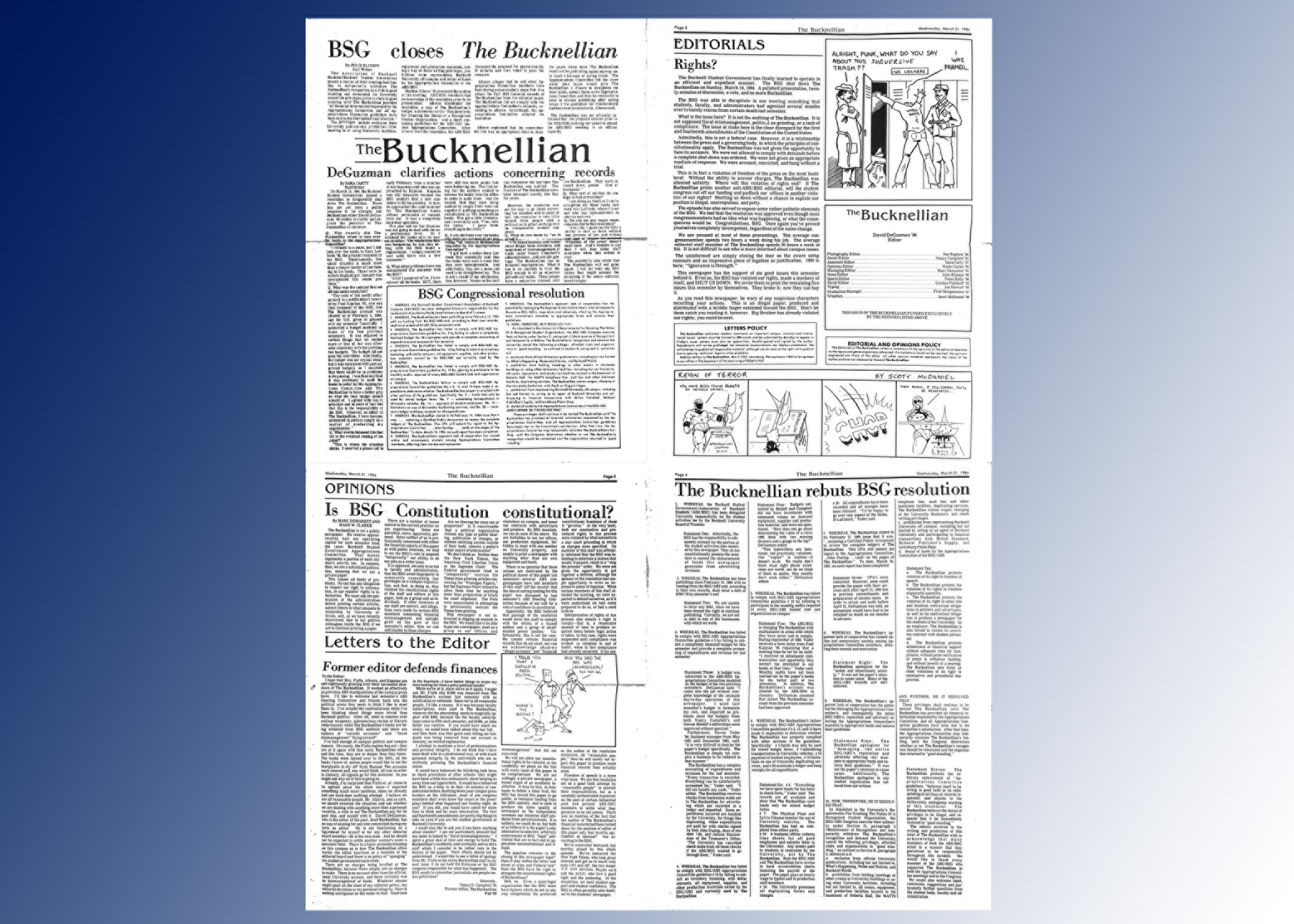
When conducting research for humanities classes at Bucknell, many students have had the opportunity to look back at Bucknellian archives. These archives are a testament to the times that they are being written in. They sport titles about the Civil Rights Movement and opposition to war in Vietnam, indicating moments of social retaliation against the function of the U.S. government. These are the defining moments that cement Bucknell’s position throughout history, and they remind us that students are the writers of that history more than administrative decisions. Democracy only endures when we maintain this foundation of uncensored publications and rejection of excessive executive power. We begin to cave when this foundation withers away.
I see the lines that divide us disintegrating when we maintain a strong base of young people. Perhaps we will become more aware of the opinions that our peers possess, and we will begin to notice that our perceived difference in political and social beliefs is much narrower than it might seem when we completely avoid difficult conversations. Perhaps we will learn that regardless of our policy stances, we have a shared set of moral and political principles that supersede fiscal policy and materialism.
This is a surprisingly optimistic take given my history of written pessimism, but I think it is an important note to end on. We are not helpless– quite the opposite. We have the ability to shape history, to decide the side we will be on, to dissent to the most powerful branch of government. But if this is to occur, we cannot let go of this one central indicator of democracy: student journalism.