







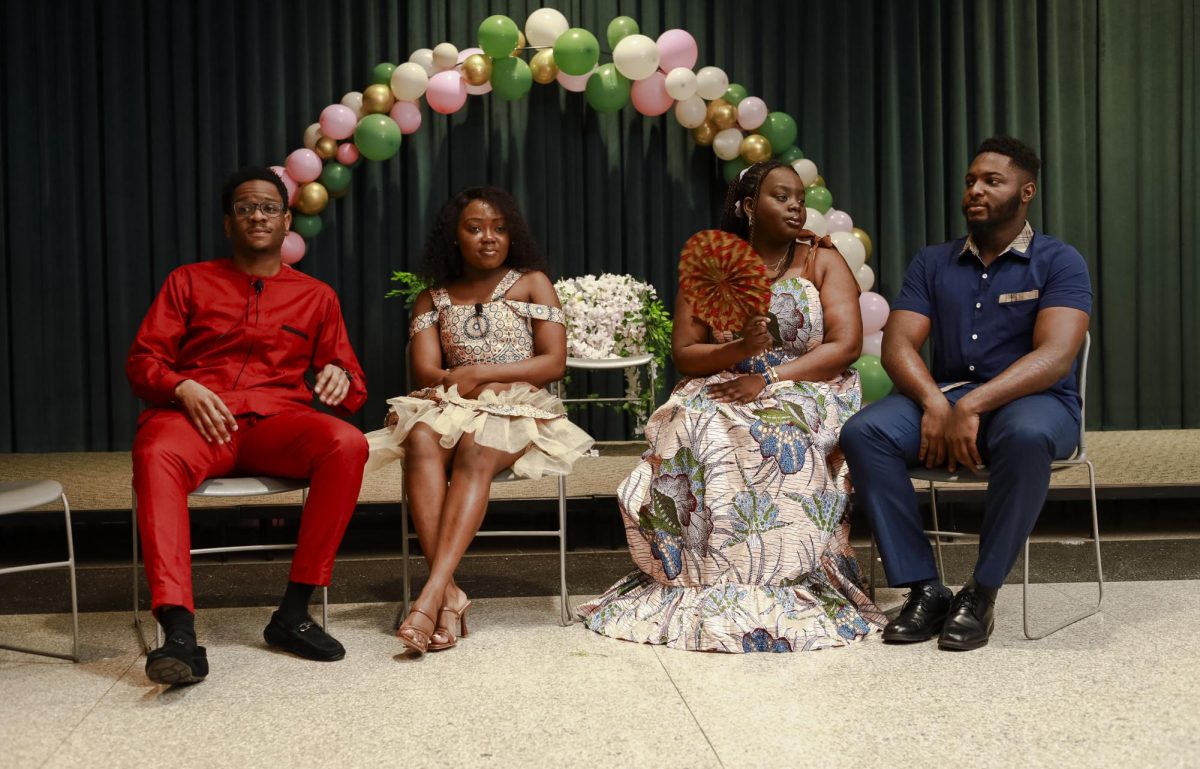
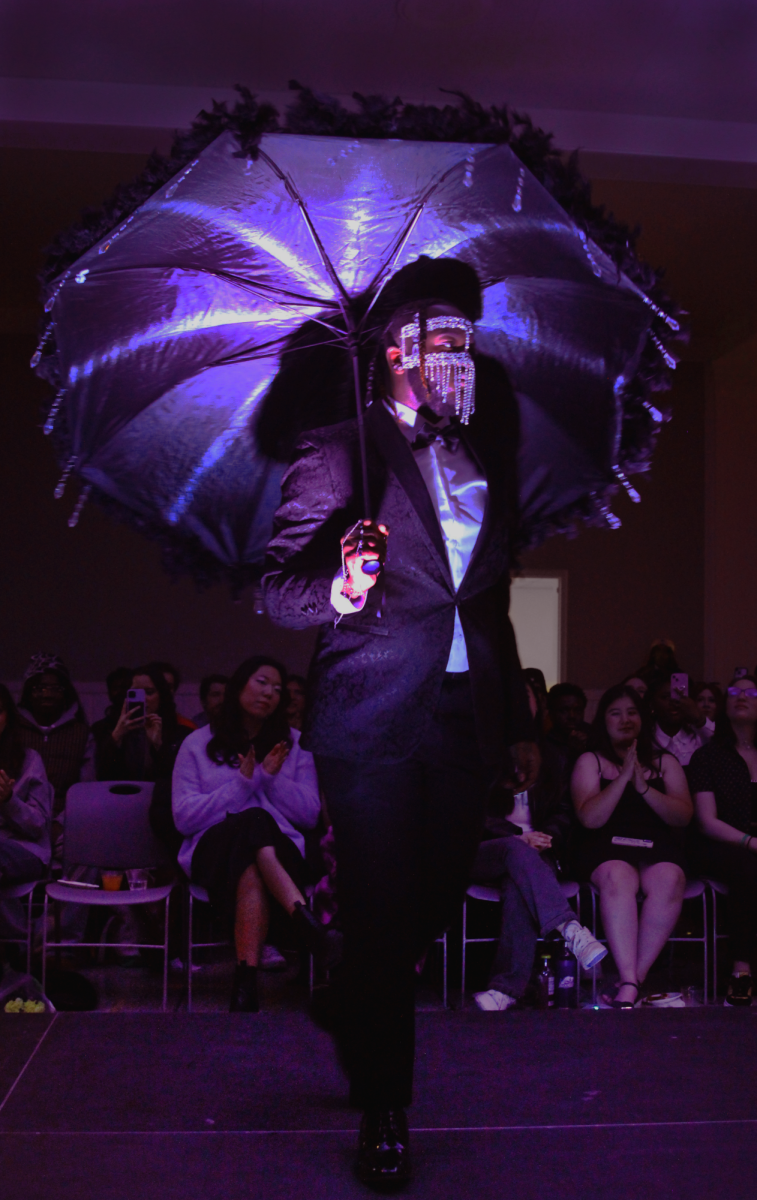


Fashion at Bucknell is more than fabric stitched into outfits. It is a mirror of where people come from, who they are and how they wish to be seen. The campus brings together students from every corner of the United States and from over 60 countries, creating an environment where clothing becomes a quiet but powerful language. Out-of-state students carry with them styles shaped by region, such as East Coast prep, West Coast casual and Southern chic, while international students arrive with traditions that shine in their wardrobes. Together, they form a patchwork of perspectives that give Bucknell’s fashion its texture.
This diversity does not just exist in theory. It comes alive at events like the Community International Festival, the Global Gala and showcases hosted by cultural organizations such as the Latine Alliance for Community & Opportunity for Students (LACOS), the South Asian Student Association (SASA), the Bucknell African and Caribbean Student Association (BACSA) and the Asian Cultural Association (ACA). These nights transform Bucknell into a stage where students step into their cultural dress with pride: sarees swirling under lights, bold Afrocentric prints, embroidered kurtas, sleek cheongsams and vibrant Latin American textiles. In these moments, the campus does not feel situated in rural Pennsylvania. It feels like the world.
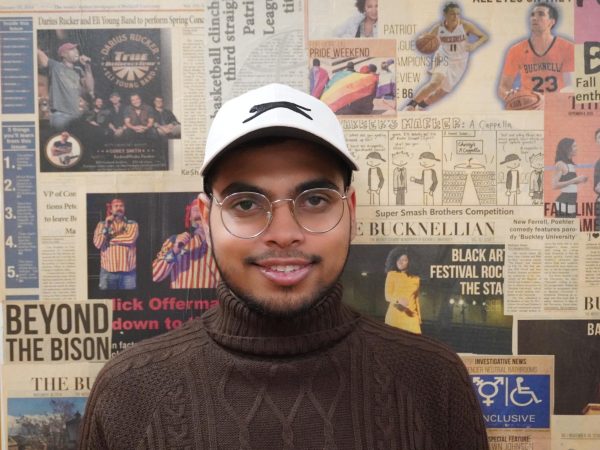
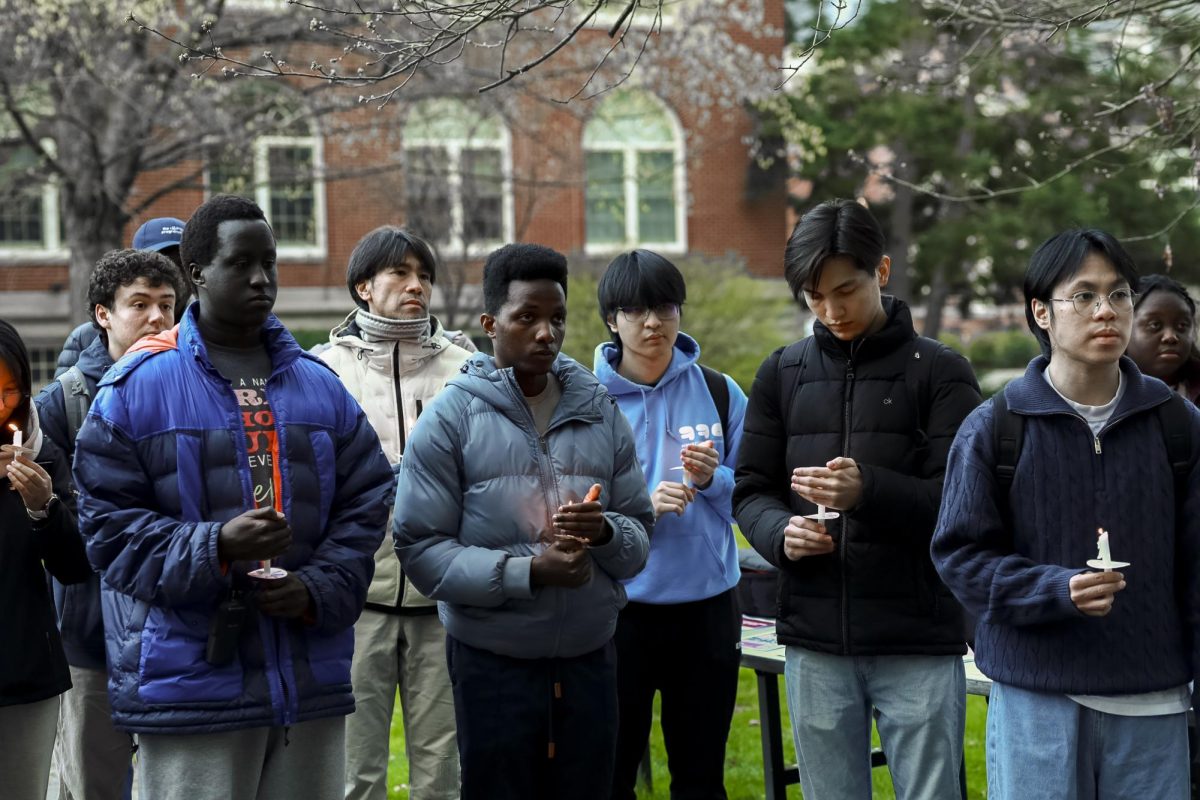
But on an ordinary Tuesday, walking across the quad, you see something different: a campus uniform. Shorts paired with hoodies, flip flops shuffling across sidewalks, a kind of streamlined casualness that flattens individuality. For those who arrive carrying their own sense of style, it can feel like a clash. Believe me, freshman year, I stood out in skinny jeans and fitted T-shirts, looking around and wondering if I had missed some unwritten dress code. Why shorts when it is cold? Why hoodies all the time, when there are endless other ways to express yourself? At times, fashion here feels less like expression and more like convenience, a quiet push toward sameness.
That tension is real. There are moments when you feel like the odd one out, as if what you wear does not belong in the Bucknell streamline. It can be disheartening, especially when the majority seems to melt into one pattern while your own style feels like an interruption. And yet, every so often, you notice someone who looks like you, someone wearing clothes that speak to culture, heritage or simply the courage to stand apart. Those are the moments that matter, the reminders that fashion does not have to make sense to everyone. It only has to make sense to you.
In the end, Bucknell’s fashion scene lives in a paradox between belonging and difference, between the monotony of hoodies and shorts and the richness of global expression. It can feel isolating at times, but it also teaches you something vital. Even in spaces of uniformity, individuality finds a way through. And when it does, it inspires others, creating a campus culture where fashion is not just about what you wear, but about daring to wear yourself.