









As a senior, I am not sure why I have never questioned or thought harder about this phenomenon until now. Growing up in a Pakistani household, my rhythm was always totally different: a light breakfast, a “late” lunch around 2 p.m., and dinner at 8 p.m. at the earliest, sometimes closer to 9:30 p.m. But at Bucknell, when my friends want to grab dinner, they usually insist on 5 p.m. or 5:30 p.m. I have always thought that is absolutely insane. Why are we eating the heartiest meal of the day when the sun is still out?
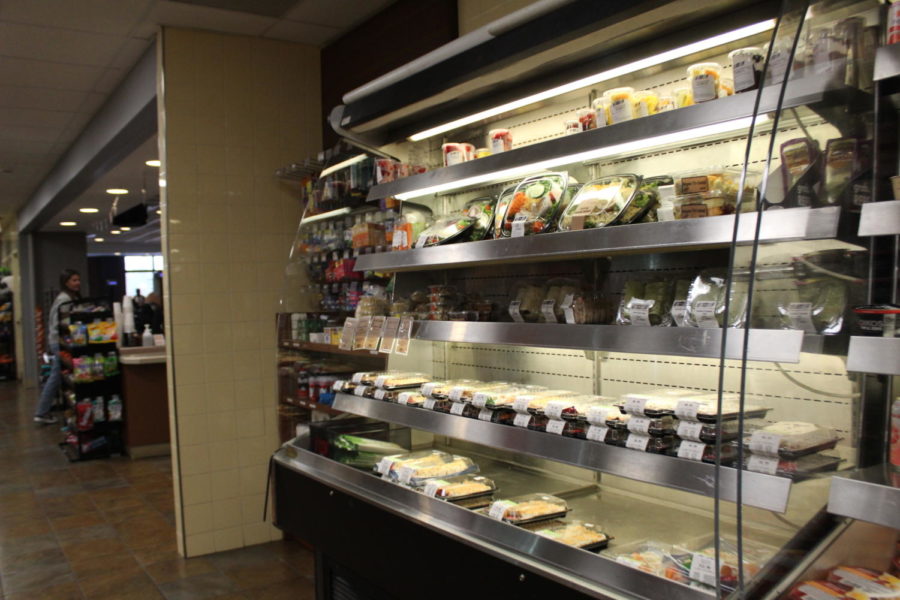
Personally, by that time, I’m not even hungry yet. If I tag along to the Bison at 5:30 p.m. with friends, I usually end up picking at fruit or yogurt instead of having a real meal. Sometimes I grab what feels like a late lunch while everyone else is calling it dinner, which has never made any sense to me.
I know I’m not the only one confused by this schedule. Tanveer Deol ’28 said, “I personally eat dinner around 7 p.m. or 7:30 p.m., but all my friends always want to eat between 5:30 p.m.-6:30 p.m., which I think is a bit outrageous.” He’s right. If you are used to later dinners, being pulled into an early mealtime feels out of step with your own body.
Aleena Sultan ’27 echoed this sentiment, saying, “I think one of the biggest culture shocks for me coming to America was dinner time. I usually have breakfast at 11 a.m. and dinner at 8 p.m. back home, so getting used to dinner before the sun even sets was definitely a challenge.” I completely agree with her. Eating before the sun sets feels unnatural when you come from a culture where the day always inevitably stretches into the evening.
And to be fair, it is not just a Bucknell thing. Americans in general eat dinner earlier than most of the world. A quick look at cultural comparisons shows that in Spain, dinner can start as late as 10 p.m., while in South Asia or the Middle East, meals are often served long after sunset. The United States, however, tends to center around an early evening meal, often between 5 p.m. and 6:30 p.m.
But is that actually good for us? Science and health advice are mixed. Some studies suggest that eating earlier can help digestion and improve sleep, since your body has time to process food before bed. On the contrary, there is plenty of evidence that spreading meals more evenly across the day, even if you are eating much later than usual, helps regulate hunger over time and prevent binge snacking. Researchers who study circadian rhythms even argue that late-night eating can interfere with metabolism and blood sugar regulation. That is the part that sticks with me. If you eat dinner at 5:30, how can you not crave snacks by 9 p.m. or 10 p.m. at night? And then suddenly you are up with a bag of chips or a vending machine run at an hour when you should be winding down.
Maybe the best balance would be to keep lunch slightly later and dinner slightly later, too. I cannot help but think a 7 p.m. dinner would solve a lot of the weird hunger patterns people create for themselves. As someone who has dinner much later than that, it would be a compromise for me too. But it would also give more space to actually feel hungry for dinner rather than forcing down food just because it is “time.”
At the end of the day, everyone is different, and schedules at Bucknell are tight. But the fact that so many of us from different backgrounds find the timing jarring should be enough to start asking questions. Maybe it is time to stop treating 5:30 p.m. as the standard dinner time and start considering a dinner culture that makes sense for more people’s bodies and lifestyles.