








Some changes make life better. Lately, some of the changes Bucknell has been making feel less student-oriented, and it is hard not to feel like change is happening just for the sake of it.
Printing is the clearest example. We had a system that worked. You could upload straight from your phone, press a button and leave with your papers in hand. Suddenly, that option is gone. Now you need a desktop, and even then the process feels clunky and unnecessarily complicated. Single-sided printing or making multiple copies has become an obstacle course. Printing should not feel like cracking a code, especially when half of campus is always coincidentally trying to print last-minute assignments at the same time. Whoever thought this was an upgrade clearly was not standing in line at the library five minutes before class with a paper due.
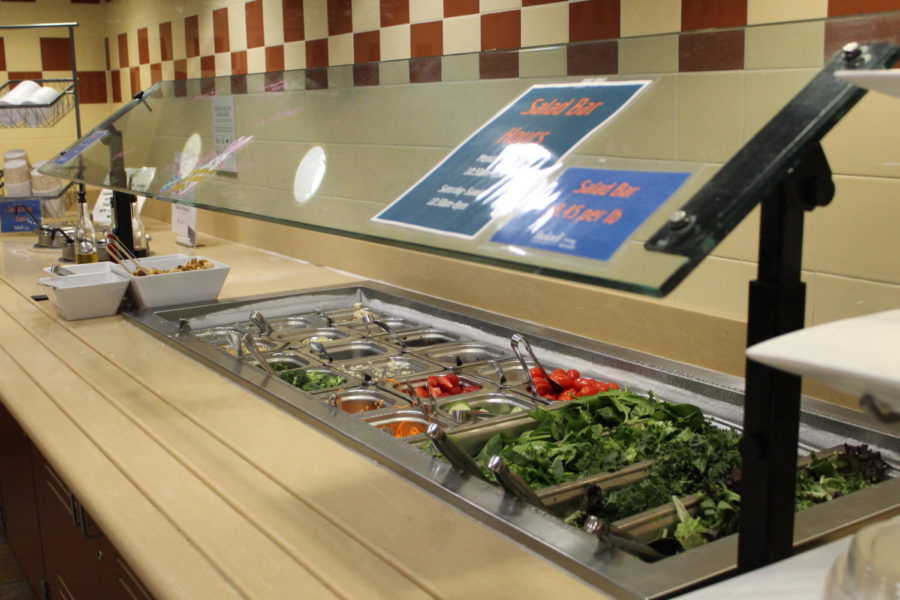
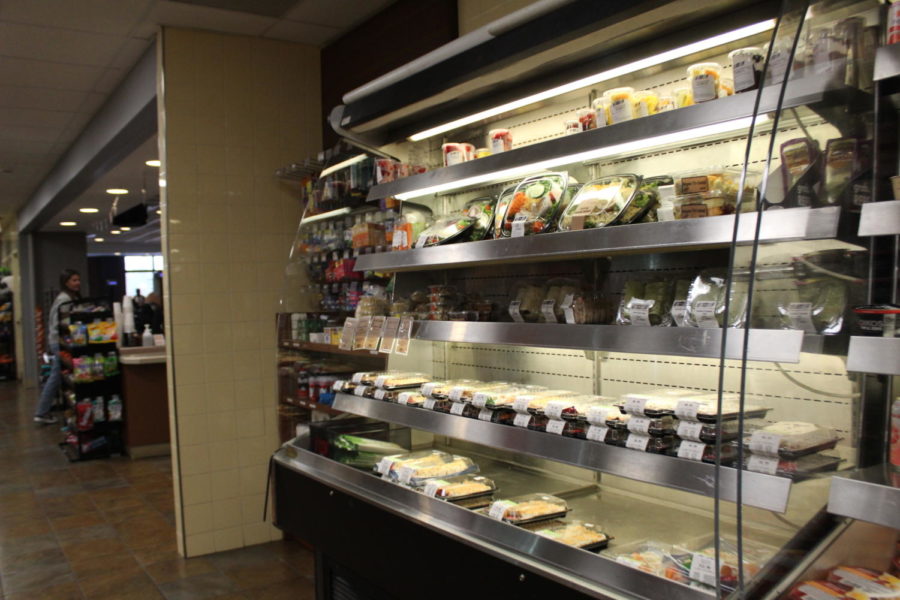
Food tells the same story. The Bison has always been a place where students could count on decent meals, but the “new and improved” setup feels anything but. Portions are smaller, prices are higher and half of your meal plan vanishes before the week is over. Students are left paying more and getting less, and it makes you wonder who decided this was a fair trade-off. If this is what new vendors bring to campus, then it feels less like variety and more like a step backward.
Transportation has become another headache. It all used to run on a set schedule. You knew when rides were coming, and you could plan your day around it. Now with TripShot, it feels like booking an appointment that may or may not show up. Seriously, sometimes it shows up right away and other times, you’re left stranded. What was once a dependable system has been replaced by uncertainty, and it does not make any sense. Reliability should not be the sacrifice for “innovation.”
Laundry is probably the most complicated change of all. On paper, free laundry sounds like a gift. In reality, it has become a race. Machines are in constant demand, and the second one beeps, there is a rush to claim it. Clothes get pulled out the moment a cycle ends, sometimes even before the owner gets there. Instead of being a relief, the system has created stress and competition. Yes, it is free, but at what cost?
What ties all of these frustrations together is not just the changes themselves but the way they happen. They arrive suddenly, as if announced from above, with little to no input from the students who use them. The people paying for food, relying on TripShot, cramming assignments into the printers and sprinting to laundry machines are rarely part of the conversation.
The truth is that these changes do not feel like improvements. They feel like decisions that are made far removed from the student experience, and they create more problems than they solve. Change is not always progress. Sometimes the best thing to do is let what is already working be.
If Bucknell truly values its students, then it needs to start showing it not through slogans or posters, but through action across more elements of campus life than just dining surveys. Involve us. Listen to us. Consider whether we actually want the change before rolling it out. Because at the end of the day, the question that keeps echoing is simple: “who asked for this?”