










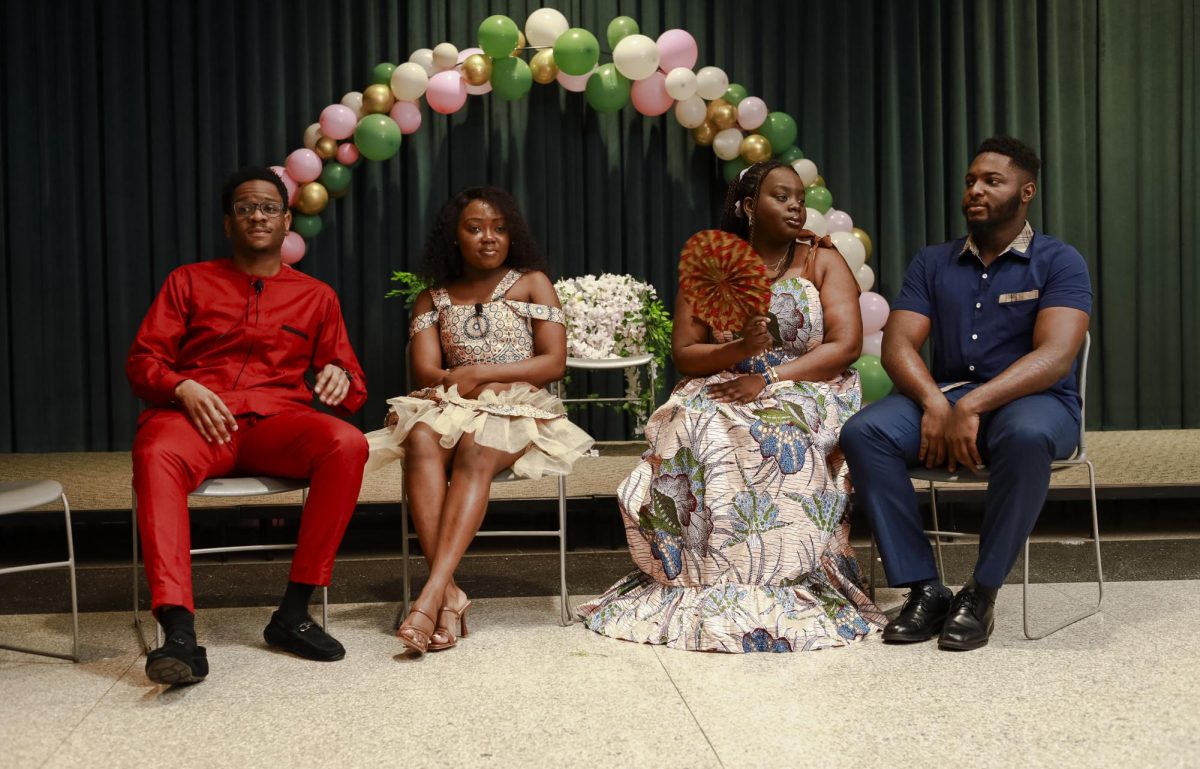



In a nation of rising feminism, is chivalry really dead? The twenty-first century offers women a vast expansion of rights, freedoms and opportunities that previous centuries of women could hardly imagine. 65 years ago, women could not purchase birth control. 51 years ago, women could not open a credit card in their own name. Only 12 years ago did American women regain the right to fight on the frontlines in combat for their country. Yes, gender non-discrimination has gained considerable ground since women earned the right to vote in 1920. While issues regarding the limits of bodily autonomy, equal pay and traditional gender roles continue to be politically contested, there is an important social question remaining to discuss: can feminism and chivalry operate in tandem?
Politicians and social activists who favor traditional relationships often reminisce fondly on the era of the 1950s, when men would adoringly and dutifully court the women they hoped to marry one day. Opening the car door, buying her flowers or offering her his jacket when the night turned cold were not considered praiseworthy romantic gestures but merely the standard for proper social behavior. Simple acts of chivalry served to prove a man’s ability to properly provide for and cherish a future wife. Now, as women have progressed further from traditional gender roles—pursuing ambitious careers and personal fulfillment over the “picket fence” dream associated with the 1950s—many men are wondering why they must continue to abide by these seemingly dated standards. Must men be chivalrous if women are no longer expected to be as docile or submissive?
The quick answer is that there is no single standard for how men (or women) must behave in a dating relationship. Rather, each couple must find specific ways to intentionally invest and prove their love for their romantic partner. Chivalry, as a broad term, encompasses far more than protective affection; chivalry includes kindness, selflessness, sacrifice or in simple definition inconveniencing oneself for the benefit of a worthwhile person. These elements of a relationship, platonic or romantic, are absolutely indispensable for that relationship’s longevity and the mutual happiness of both persons involved. Just because women no longer must be tied to the name, income and counsel of a man in order to thrive both economically and socially does not imply that men no longer need to exhibit these fundamental qualities that sustain a relationship. Women are not frustrated that men do not open the door; women are frustrated by men’s lack of romantic investment.
Furthermore, feminism and the increased opportunities available to women have no bearing on a woman’s ability to still show kindness to her partner, prioritize a relationship and make personal sacrifices because she values a man. Jumping to the conclusion that those sacrifices must entail abandoning her career or personal goals and ambitions is an unfair, unnecessary and likely unfruitful solution. If the goal of chivalry, as exhibited by both individuals through the love they show to each other, is to sustain a long-term relationship built on mutual happiness, there is no worse approach than attempting to constrain an ambitious, intelligent and motivated woman determined to use her skills to make a difference in the world. Under such constraints, that woman will lose her joy—not find it—and that relationship, in turn, will fall into disarray. Most likely, the man will wonder why.
Chivalry, then, requires different sorts of action than it did 70 years ago. In fact, it requires mutual action from both a man and a woman. When one considers the purpose that old chivalry sought to serve, one realizes that chivalry and women’s growing independence do not in any way contradict one another. Chivalry is not dead in a nation of rising feminism. Rather, both men and women can find ways to be chivalrous towards strangers, loved ones and potential romantic partners. The first step to chivalry is understanding how another human being feels loved, cared for and respected. Inconveniencing oneself to provide them those feelings forms the basis of chivalry and the basis of all successful relationships. Traditional gender roles have nothing to do with it.