












Han Kang’s “The Vegetarian” was one of the most hypnotic and visceral pieces of literature I’ve ever had the privilege of reading. And while vegetarianism was merely the framework for the larger issues of female identity and social repression, I was struck by the depiction of the refusal to eat meat as almost a refusal of society itself. I resonated with Yeong-hye; the utter repulsion she had for meat translated so effortlessly into my own life, without the psychological unraveling that accompanied it in the novel. But thankfully, I was born into a culture where I wouldn’t be shamed for my dietary choices, where it was considered normal rather than rebellious, or antithetical to human nature.
It didn’t make those choices any easier, however, and although I was fortunate enough not to have to continually explain that yes, I chose to be a vegetarian as a child, and no, it’s not for health or religious reasons, I found myself adjusting at every turn regarding food. At home, in the comfort of home-cooked, vegetarian meals, I was safe, but outside, I became intensely familiar with French fries, pizza and pasta, all grotesque sources of carbs that defy any sort of health benefit you’re supposed to receive from such a diet. And then, in the 2010s, a new trend emerged and exploded: veganism.
Veganism, unlike vegetarianism, is seen as cool. It’s sexy. It’s all clean lines and avant-garde gastronomy, reminiscent of shiny self-aware modernity and social activism. It warrants praise for its exoticism, rewarding a noble, martyred refusal to succumb to the primitive instincts of eating meat and drinking milk. Vegetarianism, on the other hand, is simultaneously too frail to stand up against the travesty that is dairy, while masochistic in its endeavor to deprive oneself of the joy of eating a succulent steak.
The consensus seems to be that if you want to be normal, eat meat. If you want to be moral, be vegan. Vegetarianism is only a strange limbo, hovering awkwardly in the middle of order and rebellion. This was further corroborated by the fact that the only vegetarians I know were vegetarian from birth, as part of their religion, or where they didn’t eat certain meats, or were vegetarian on certain days. Many religions abstain from eating meat on significant holidays, representing self-sacrifice and mourning. Meat is the food of life, it seems, while I’m stuck with my sad little leaves.
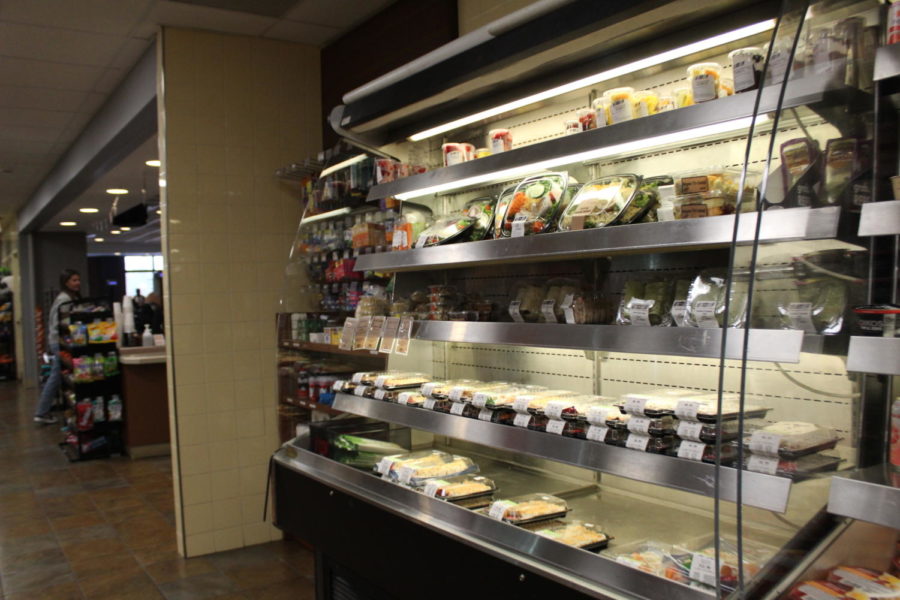
I found myself paying very little attention to any of this right up until I came to college, when I looked down at my plate of lettuce and fries and the occasional mystery vegan slop, wondering what I was doing with my life. Why was ice cream the most I would eat in a day? Why are my options rabbit food or just a monstrous amount of carbs? And, no, I don’t want to eat the vegan brick of an alternative, because there’s no point in worrying about what I’m going to eat that day if I break all my teeth trying to bite into some purported “black bean patty” that bears no resemblance to black beans and all the resemblance to cement. If you’re vegan, I admire that, but it’s simply not for me.
So while we thankfully are spared from the specific stereotypes associated with vegans, vegetarianism has never been considered as hip and trendy as veganism, or the paleo, keto, or twenty other diets advertised on Instagram right now. Which is fine. There’s some solace in eating tofu without explanation, or requesting my quesadillas without chorizo just because. My normal isn’t everyone’s normal, and that’s okay. It’s a diet you have to learn to appreciate through cooking, creating flavors yourself that maybe other people wouldn’t understand. And after a while, it becomes second nature, to the point where you can’t even remember ever eating a different way.
I won’t exactly hold my breath for smoked tofu or a cauliflower steak at the next barbecue, or a decent veggie burger at the next fast food run.
Instead, I’ll be off pecking at my bird seed.