


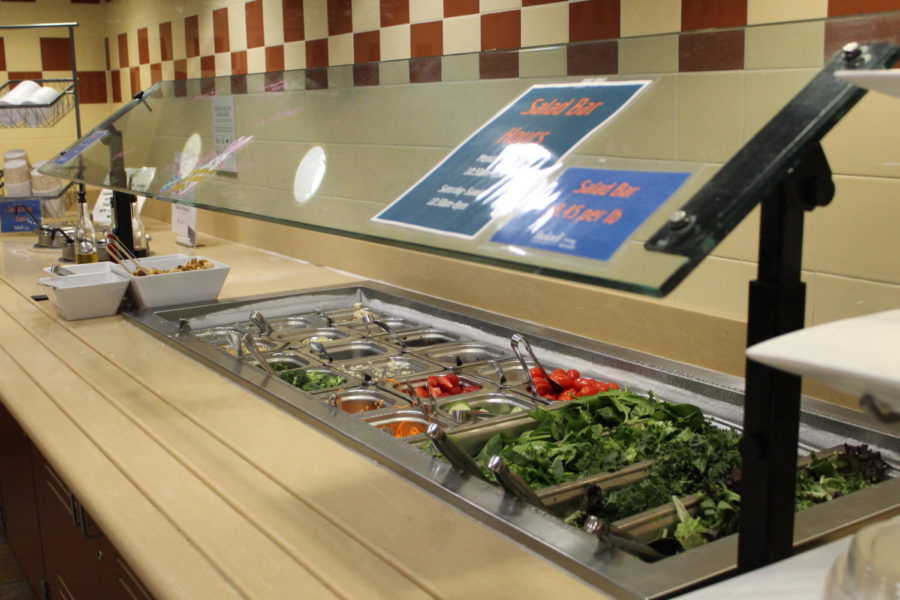












Bucknell has recently shifted its dining policies, requiring sophomores to purchase a meal plan with, at a minimum, twelve swipes per week at Bostwick. According to the website, this change is intended to ensure that students “transition smoothly from a first-year Anytime Access plan to one with fewer swipes and Dining and Plus Dollars.”
It’s likely that rising sophomores already planning to purchase an anytime access meal plan, or one of the two available Bison Flex 12 meal plans that are now mandatory for sophomores to select, won’t see any change as this comes into effect. Bostwick, after all, has its perks. It’s convenient, offering an array of standard options and it’s perfect for grabbing a quick snack or smoothie on the way to class.
But what about the students this policy would affect?
The four options the University now requires sophomores to choose from are also the four most expensive meal plans offered. The investment may be worth it for students who find themselves frequenting the cafeteria multiple times a day without trouble. It’s perfect for those who prefer Bostwick’s easy availability to cooking or managing meals on their own, but there are many of us for whom Bostwick is not a practical option. Whether because of medical or personal dietary restrictions, personal preference or an inclination for cooking and crafting an individualized diet, the thousands of dollars spent on meal swipes that are left unused are hardly worth it.
The flexibility of lower-swipes meal plans allows students to supplement their diet with both on-campus and off-campus vendors. Sophomores might choose to cook instead, which is a skill that they should be able to exercise if they so choose. For students who are obtaining more meals from on-campus vendors like the Bison and the library cafe than they are from Bostwick, the $150 to $300 you’re given in plus and dining dollars for the first-years required meal plans doesn’t come close to covering a semester’s worth of meals and neither would the $300 to $450 from the sophomore meal plans. For the roughly 13 weeks in a semester, excluding breaks, that $450 would give you just over $30 a week, leaving you with just over $6 for each day – assuming you’re getting your meals elsewhere on weekends. And that number becomes even lower if you opt for the lower-cost twelve-swipe plan.
Thus, you’d be forced to buy more dining or plus dollars–or simply use your credit card–using money that you spent on your unlimited swipes, which you hardly use. This is further extended to sophomores, who now have access to cars on campus and who should be free, at the ripe age of nineteen and twenty, to use that money to purchase their meals–or groceries for making their meals–as they see fit. The policy change was designed to ease the transition between meal plans, but for some of us, that transition couldn’t come fast enough.
After all, students who might find that transition difficult to make might simply not purchase that meal plan. Students opting for the lower-priced, more flexible meal plans do so because it’s more conducive to their schedules and diet. They are aware of the change they are making and do so willingly.
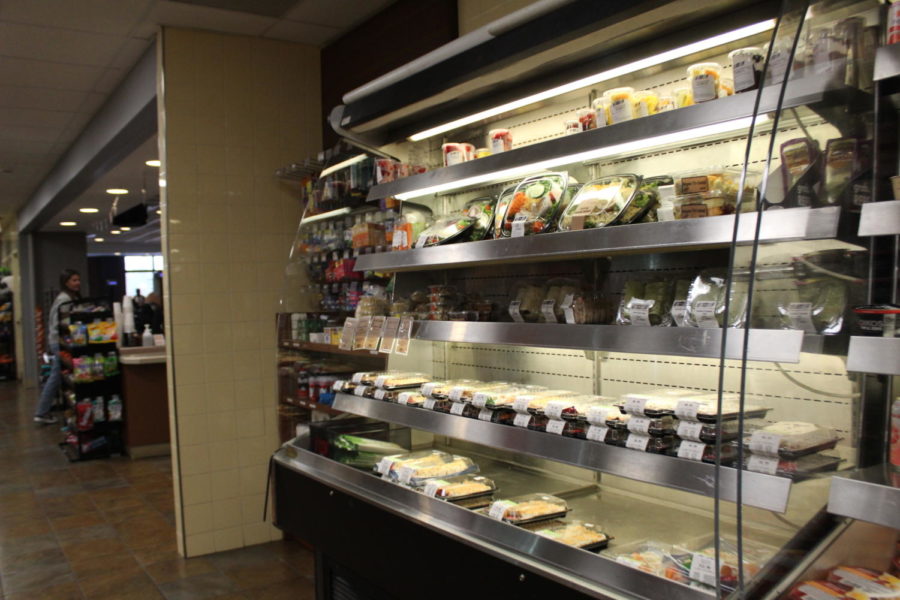
Moreover, other changes Bucknell has made to the dining plans only incentivize the lower-swipe, higher dining dollar plans. They are introducing daily grab-and-go specials to all retail locations except for the library cafe, which can be purchased using dining dollars, plus dollars, campus dollars, credit card, cash or, in some cases meal swipes. And yet they are also reducing the amount of dining and plus dollars available to students in a single meal plan, which can be used far more ubiquitously than meal swipes.
They have also raised the minimum meal plan option from $775 to $1100, stating that they “found that many students with the lowest-price plan purchased about $450 in additional Dining Dollars each semester. When students can’t afford to add more Dining Dollars to the minimum-priced plan, it contributes to food insecurity.” If students can’t afford to add more dining dollars to the lowest-cost plan, what makes it plausible that they are able to purchase a meal plan that is up to three times more expensive and can mainly be used in one avenue, as opposed to multiple?
Further, Bucknell maintains that minimum dining plans are intended to enhance the community living experience, including dining. But that community can be found gathered around a table at Bull Run, or the bison, or in the dorm kitchens, laughing over a meal made together. That doesn’t have to come from Bostwick and it’s doing no service to the community to make it obligatory. The Bison 1100 meal plan is designed to offer flexibility and freedom, without requiring the purchase of additional dining dollars– a great premise. I simply don’t understand why sophomores are excluded.
Ultimately, although the thought behind this change may be understandable, it’s simply not feasible for all sophomores to be required to now select a meal plan they had no prior intention of purchasing. It’s not the meal plan that is inherently flawed. It’s the idea behind forcing students to buy into something they will not use.